
Home › Services › Preconstruction
Preconstruction
Site Due Diligence & Power Readiness
The most expensive surprises are buried in the ground, hidden in old buildings or stuck in a utility queue. AAAT3 checks the site, the power timeline and the hazards before you commit, so your price and schedule start on facts.
- Site walks
- Power & utility dates
- Phase I ESA review
- Asbestos & lead surveys
- Utility locates
By the numbers
Why due diligence comes first
Typical time from a grid interconnection request to commercial operation in regions with data.
Berkeley Lab, Queued Up 2025Yearly U.S. cost of damage to buried utilities, from about 669,000 damage events in 2025.
Common Ground Alliance, 2026Estimated U.S. brownfield sites, possibly up to 1 million, where past use may have left contamination.
U.S. EPA (GAO estimate)Lead times for large power transformers, often longer than the building schedule.
POWER Magazine / Wood Mackenzie, 2025What we check
Three layers of site risk
The site
Walk-downs and document reviews that find the problems early.
- Can trucks, cranes and crews get in and stage?
- What do zoning, easements and permits require?
- Where are the underground utilities, really?
- Who owns each risk, and by when?
The power
Power dates drive data center and plant schedules. We track them like critical path.
- When will the utility deliver service, in writing?
- What substation or line upgrades are needed?
- Is temporary power available for construction?
- Which gear must be ordered now to meet the date?
The hazards
Older buildings and brownfield sites hide cost and liability.
- Is there asbestos or lead in what will be demolished?
- What did the Phase I ESA find, and is a Phase II needed?
- Will excavated soil need special handling and disposal?
- What permits and notifications come first?
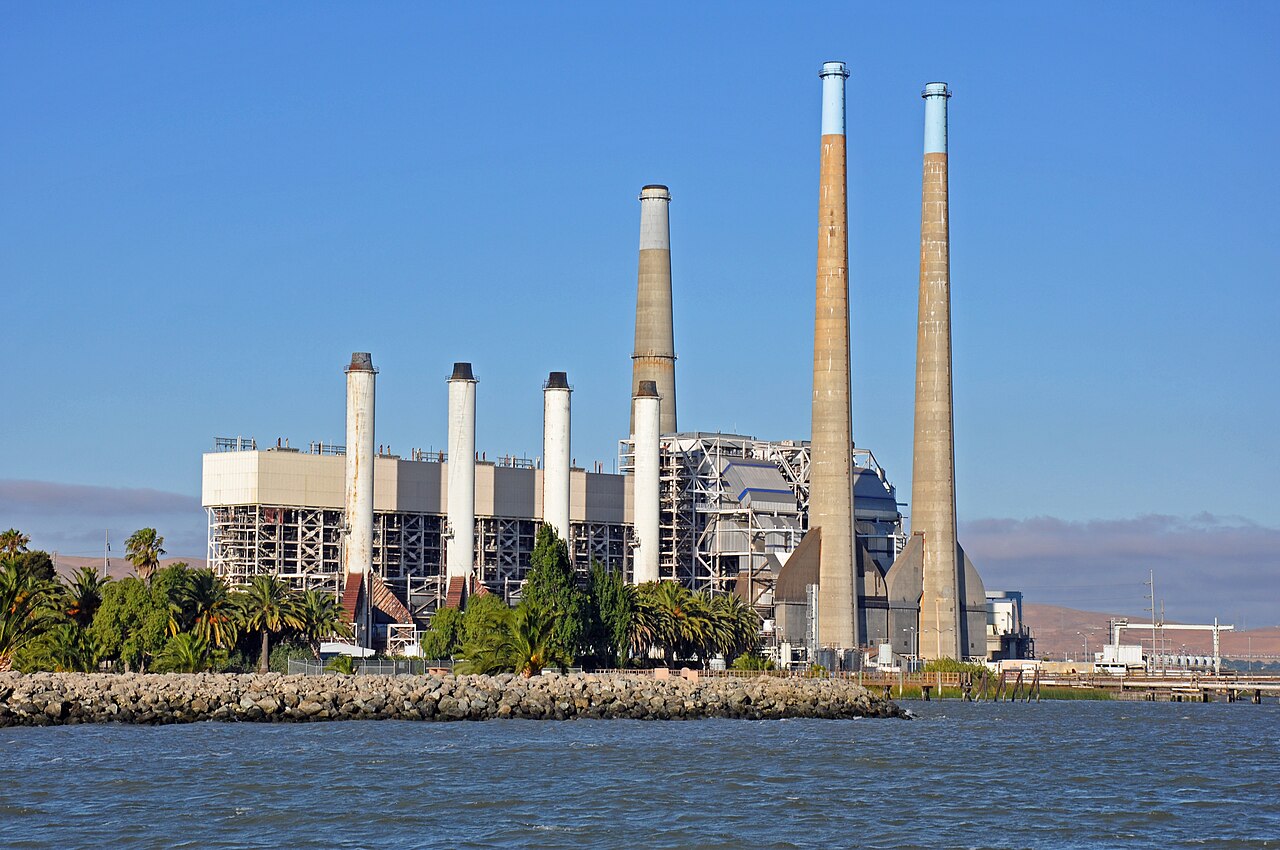
Power readiness
The grid is the new critical path
Large loads like data centers need utility service, substations and long-lead electrical gear lined up years ahead. We build the power timeline into your schedule from day one and flag the dates that move the whole project.
Most grid connection requests never get built
Capacity requested 2000–2020, status at end of 2025
Source: Berkeley Lab, Queued Up 2025 Edition (power plants seeking interconnection).
How it works
From first look to go / no-go
Kickoff
Site address, use, schedule and budget targets.
Records review
Surveys, title, zoning, ESA and utility records.
Site walk
Access, laydown, existing buildings and conditions.
Power timeline
Utility service dates and long-lead gear.
Hazard surveys
Coordinate asbestos, lead and soil testing.
Go / no-go
Risk register, cost and schedule impacts.
Rule of thumb: get the utility’s service date in writing before you price the schedule. Everything else can be worked around; power cannot.
What you get
Deliverables
Due diligence report
Findings, photos and recommendations in plain language.
Risk register
Each risk with an owner, due date and cost or schedule impact.
Power timeline
Utility milestones and long-lead gear tied to the schedule.
Hazard survey plan
Asbestos, lead and soil testing scope and coordination.
Site logistics sketch
Access, laydown, crane and utility locate areas.
Go / no-go summary
A one-page answer for owners, lenders and partners.
Standards
Codes and standards we work to
10 standards in 3 groupsFederal government requirementIndustry recognized practice
Environmental
3- ASTM E1527-21
Phase I environmental site assessmentsIndustry
- ASTM E1903
Phase II environmental site assessmentsIndustry
- 40 CFR Part 312
EPA All Appropriate Inquiries ruleFederal
Existing building hazards
3- 40 CFR 61 Subpart M
Asbestos inspection before renovation or demolitionFederal
- 29 CFR 1926.1101
Asbestos in constructionFederal
- 29 CFR 1926.62
Lead in constructionFederal
Utilities & power
4- 29 CFR 1926.651
Underground utility locates before excavationFederal
- ASCE 38-22
Subsurface utility engineering and quality levelsIndustry
- NEC Article 230
Electrical service requirementsIndustry
- FERC Order 2023
Generator interconnection reforms for on-site generationFederal
Where we do this work
Looking at a site right now? Get a due diligence review before you sign.
Request a site reviewFAQ
Common questions
When should due diligence start?
Before you sign the purchase, lease or contract. Findings on power dates, hazards and access change price and schedule, so they belong in the bid or the deal.
Do you perform the asbestos or environmental testing?
We coordinate licensed inspectors and labs, review the reports and build the findings into your schedule, budget and safety plans.
Why does the power date matter so much?
Without utility service, the building cannot be energized or commissioned. Grid connections and large transformers can take years, so the power date often sets the finish date.
Do I need a Phase I ESA?
Lenders and buyers commonly require one for commercial property. A Phase I under ASTM E1527-21 is also how buyers meet EPA’s All Appropriate Inquiries rule for certain liability protections.
Get a quote for Site Due Diligence & Power Readiness
Tell us about your project, location and start date. We reply with a plan and pricing.
Service network